
Do We Still Know How to Look at Art?
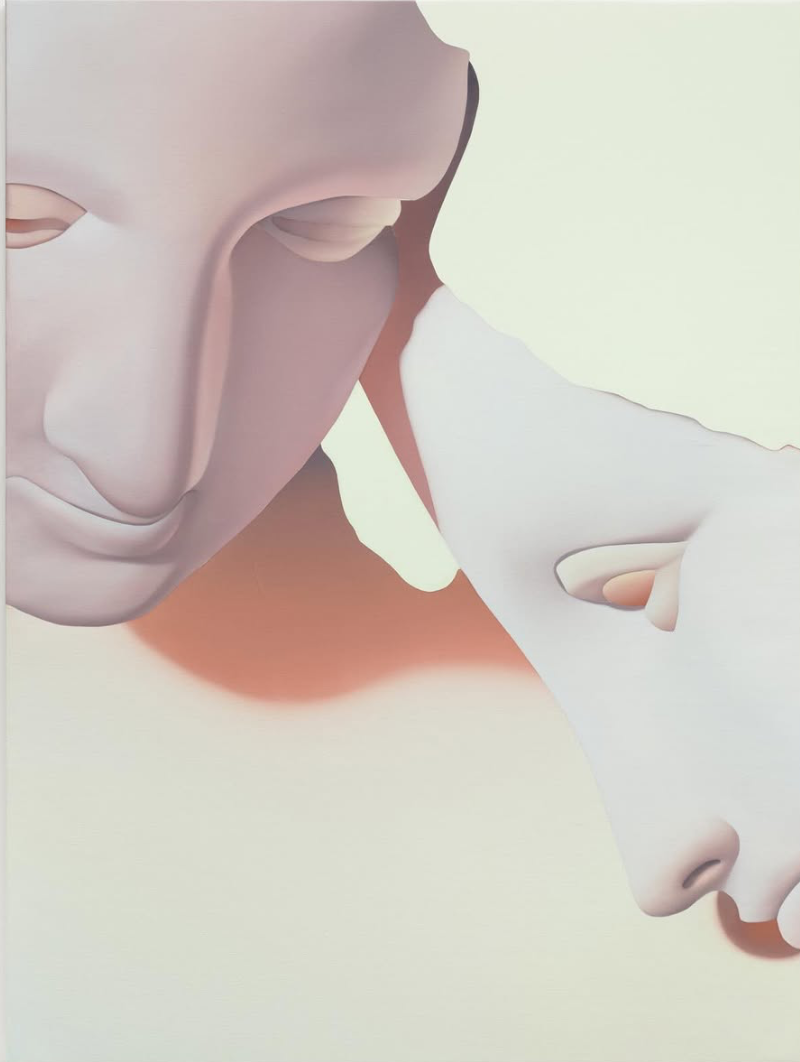
WORK BY
Vivian Greven
The difference between seeing and looking
We live in a world where we have seen almost everything. The great masterpieces of the Renaissance, the most celebrated contemporary artists, the exhibitions everyone is talking about. They appear on our screens before we have even had the chance to encounter them in person. We recognize the image, know the artist, perhaps even remember its estimated value. But have we actually looked?
Seeing is immediate. Looking requires time.
To stand before a painting without searching for its title, reading its description, or wondering how it fits into the history of art is becoming an increasingly unfamiliar experience. We have grown accustomed to receiving information before forming our own impressions.
Yet art does not always reveal itself immediately. A detail might only become visible after a few minutes. A colour may feel different when we step back. A painting that initially leaves us indifferent might begin to hold our attention for reasons we cannot quite explain. Sometimes, the work itself has not changed. We have simply given it more time. Art is in an age where it needs imagination, Today, artworks travel further and faster than ever before. A painting can be viewed thousands of times before anyone encounters the original. Its image becomes familiar, its reputation established, and its significance seemingly understood. But a photograph cannot fully communicate the texture of a painted surface, the scale of a canvas, or the relationship between a work and the space in which it exists, nor can it reproduce the experience of standing in front of something that has survived centuries, passed through different hands, and arrived in the present carrying a history of its own. The image gives us access. The encounter gives us something else. This does not mean that experiencing art digitally is without value. Images can introduce us to artists we might never otherwise discover. They can inspire curiosity and make art more accessible. The question is whether we allow the image to become the end of our interest, rather than the beginning.
There is another reason we sometimes struggle to look at art freely: the feeling that we are supposed to understand it. We enter a gallery surrounded by dates, movements, critical interpretations, and the names of artists whose importance has already been established. We may feel that our response must be informed, intelligent, or somehow correct.But what happens when we allow ourselves to be uncertain? Not every work needs to be immediately understood. Not every painting needs to be liked. And not every meaningful encounter with art can be explained in a single sentence. Our personal response is not a substitute for historical knowledge, but it is an important place to begin. Curiosity often develops before understanding, and attention can lead us towards questions we would never have thought to ask. Perhaps the point is not to know everything about a work before looking at it, but to look closely enough to want to know more.
Learning to look again
There is a simple exercise worth trying the next time you visit an exhibition. Choose one work. Put your phone away. Resist the urge to read the accompanying text immediately. Spend a few minutes with the painting and notice what draws your attention: the composition, the colours, a particular gesture, an unexpected detail. Ask yourself what you see, what you feel, and what you do not yet understand. Then read about the work. Discover its context, its artist, and the circumstances in which it was made. Return to the painting and see whether your perception has changed. Looking becomes a conversation between what we bring to the work and what the work gradually reveals. It is an approach that applies just as readily to a contemporary painting as it does to an antique object. The more carefully we look, the more we begin to recognise the decisions, histories, and human experiences contained within things that might otherwise pass unnoticed.
Perhaps the real question is not whether we still know how to look at art, but whether we are willing to give it our attention. In a culture that rewards speed, immediate reactions, and constant discovery, spending time with a single work can feel almost unnecessary. There is always another room, another exhibition, another image waiting to be seen. But art asks something different of us. It asks us to pause, to remain curious, and to accept that understanding does not always happen at once.
At MECENATE, we believe that looking closely is where appreciation begins. Not every work will speak to every person, and not every encounter needs to lead to admiration. What matters is the willingness to look beyond the surface and discover what might be there.
Because sometimes, the most interesting thing about a work of art is not what we see at first. It is what becomes visible when we stay a little longer.
MECENATE Journal
On art, objects, and the ideas that make them matter.
Madelyn Bell